
Bathroom Mold Removal in Ontario Homes: Causes, Risks & Professional Solutions
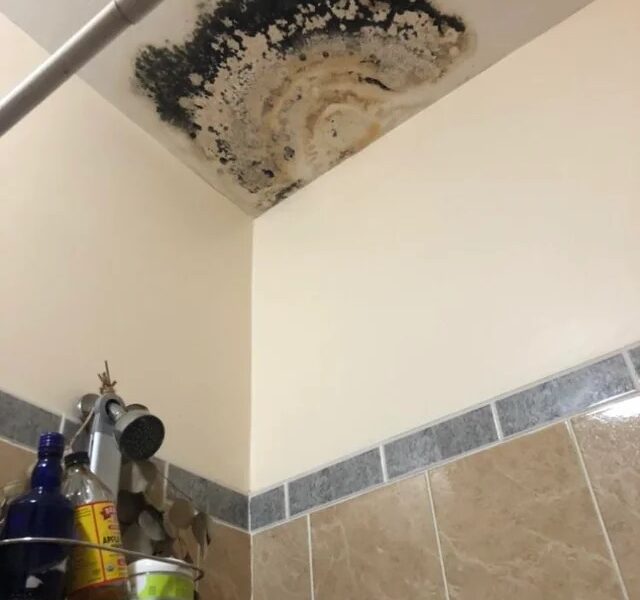
Bathroom mold is one of the most common and stubborn moisture problems in Ontario homes. Bathroom mold removalbecomes necessary when warm showers, trapped humidity, and porous materials create perfect breeding conditions for mold—often behind walls, inside caulking, grout lines, and vanities. Left untreated, mold can damage drywall, subflooring, tiles, insulation, and wood framing. Even more importantly, mold releases microscopic spores that may trigger allergies, respiratory irritation, and long-term health concerns.
This complete guide explains the causes, signs, risks, and the professional mold remediation services required to safely eliminate bathroom mold in Ontario homes.
🛁
Why Bathroom Mold Grows
Bathrooms produce high levels of humidity from daily showers and water use. Mold thrives where moisture lingers for 24–48 hours, making bathroom mold removal necessary sooner than many homeowners expect.
1. High Humidity Levels
Humidity above 55% encourages mold growth on ceilings, drywall, grout, and caulking. Steam from hot showers condenses on cold surfaces, creating ideal mold conditions.
Health Canada – Mold in Your Home
2. Poor Ventilation
Many older Ontario bathrooms have broken, undersized, or outdated exhaust fans. If moisture cannot exit the room, it settles into porous surfaces and fuels mold growth.
3. Porous Bathroom Materials
Materials like drywall, MDF vanities, wood trim, caulking, and grout absorb moisture quickly. Mold often grows insidethese materials, where cleaning products cannot reach.
4. Plumbing Leaks
Hidden leaks behind walls, under sinks, or around shower valves create a constant moisture supply. These cases almost always require certified mold remediation services.
🧬
Common Types of Bathroom Mold
Cladosporium
Often dark green or black, commonly found around showers and tile edges.
Image alt: Cladosporium bathroom mold around shower tiles requiring mold removal
Aspergillus
Grows on damp drywall, insulation, or ceiling paint. Produces high airborne spores.
Image alt: Aspergillus mold on bathroom ceiling during mold remediation inspection
Stachybotrys (Black Mold)
Thrives in areas with long-term moisture, such as behind walls or under flooring.
Image alt: Black mold behind bathroom wall needing certified mold removal services
🚨
Early Signs You Need Bathroom Mold Removal
Watch for:
-
Musty or earthy odors
-
Peeling, bubbling, or blistering paint
-
Dark spotting on ceilings or walls
-
Discolored grout or caulking
-
Persistent condensation on mirrors/windows
-
Allergy-like symptoms after showering
❌
Why DIY Bathroom Mold Removal Fails
Homeowners often attempt to wipe mold using bleach, vinegar, or store-bought sprays. Unfortunately, these methods do not eliminate the root cause.
DIY fails because:
-
Mold grows deep inside drywall, grout, and framing
-
Surface cleaning only removes stains
-
Scrubbing spreads spores into nearby rooms
-
DIY lacks containment, HEPA filtration, and IICRC-compliant procedures
-
Hidden mold remains untreated
For safe results, a certified team is required.
🧰
Professional Bathroom Mold Removal Process (IICRC S520)
At Mold Assist, our technicians follow the IICRC S520 standard, ensuring safe, complete, and long-lasting results.
1. Detailed Inspection & Moisture Mapping
We use infrared cameras, hygrometers, and moisture meters to detect visible and hidden mold.
2. Safety Containment Setup
We isolate the bathroom using poly sheeting, zipper doors, and negative air pressure to prevent cross-contamination.
3. HEPA Air Filtration
Professional HEPA scrubbers capture airborne spores during removal.
4. Removal of Mold-Infested Materials
Depending on severity, we remove mold-contaminated drywall, insulation, flooring, tile backing, grout, and vanities.
5. Antimicrobial Treatment
We apply EPA-approved antimicrobial and fungicidal agents to kill remaining spores.
6. Drying & Dehumidification
Industrial equipment ensures structural materials reach dry standard levels.
7. Full Restoration
We rebuild drywall, tile, insulation, and finishes to restore your bathroom to pre-mold condition.
⏱️
How Long Does Bathroom Mold Removal Take?
-
Small areas: 1–3 days
-
Moderate contamination: 3–7 days
-
Severe structural mold: 7+ days
💲
Bathroom Mold Removal Costs in Ontario
Typical pricing:
-
Minor mold: $680–$1,100
-
Moderate contamination: $1,100–$2,800
-
Severe damage: $2,800–$7,900+
Get your quote:Contact
⚠️
Dangers of Ignoring Bathroom Mold
If untreated, mold may cause:
-
Structural damage to drywall, studs, subfloor
-
Persistent musty odors
-
Worsened asthma/allergy symptoms
-
More expensive repairs
🛡️
How to Prevent Bathroom Mold After Removal
-
Use exhaust fans during & 20 minutes after showers
-
Reseal grout and caulking annually
-
Fix leaks immediately
-
Use a dehumidifier (keep humidity below 50%)
-
Keep surfaces dry
⭐
Why Homeowners Choose Mold Assist
-
IICRC-certified technicians
-
Professional containment & HEPA filtration
-
Long-term moisture control solutions
-
Full reconstruction available
-
Serving all of the GTA and Southern Ontario
📍
Service Areas
Toronto • Mississauga • Brampton • Hamilton • Oakville • Burlington • Markham • Vaughan • Pickering • Whitby • Ajax • Oshawa • Guelph • Kitchener–Waterloo
📞
Get a Bathroom Mold Removal Quote Today
If you’ve noticed mold, musty odors, or moisture damage in your bathroom, the Mold Assist team is here to help.