
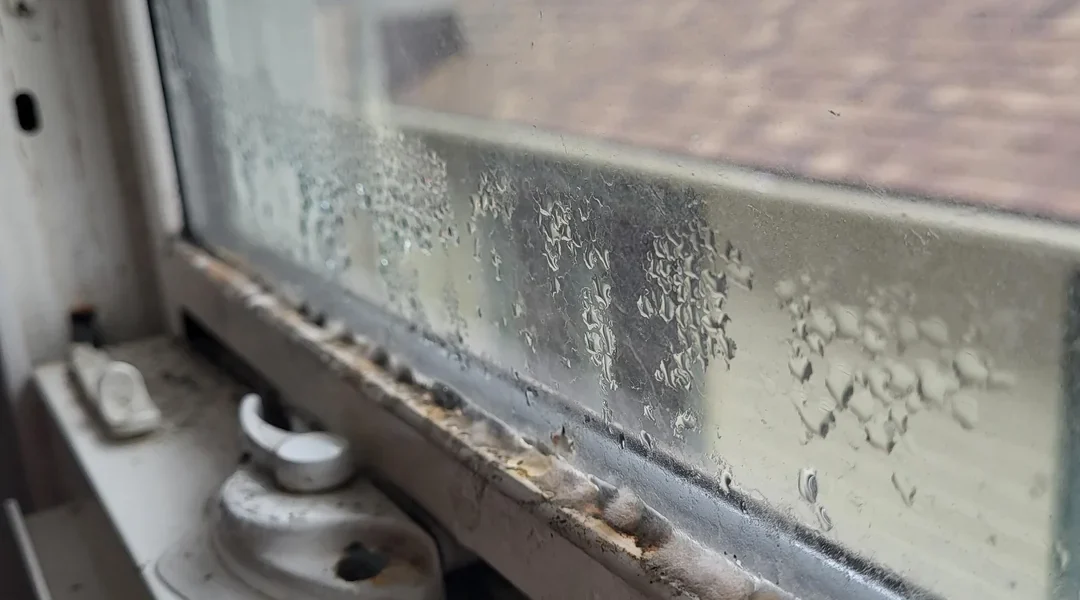
 Why Window Condensation Happens in GTA Homes During Winter (2025 Update)
Window condensation in GTA homes has become one of the most common winter complaints in 2025. With extreme cold, rising indoor humidity, and tightly sealed modern construction, many homeowners are seeing heavy moisture buildup on windows — often leading to mold growth around sills, frames, and drywall.
Below is a complete guide on why condensation forms, why it’s worse this year, and how it leads to mold problems requiring professional remediation.
Why Window Condensation Forms in GTA Homes
1. High Indoor Humidity
Moisture rises from everyday activities:
-
Showering and cooking
-
Laundry
-
Humidifiers
-
Breathing (especially overnight in bedrooms)
-
Poor air movement
📌 Humidity above 45% in winter almost always causes condensation on windows.
You can check humidity with a digital hygrometer (available through Canada.ca – Healthy Home guidelines).
2. Poor Window Insulation or Aging Windows
Many Toronto-area homes still have:
-
Single-pane glass
-
Aluminum frames
-
Broken thermal seals
These surfaces become extremely cold, lowering them to the dew point and creating immediate condensation.
Internal resource links (hyperlinks only in text, no full URLs):
→ See our window mold removal service page
→ Learn about attic ventilation improvements to reduce whole-home moisture
3. Blocked or Inefficient Ventilation
Common issues include:
-
Bathroom fans unused or broken
-
Kitchen fans recirculating, not venting outside
-
HVAC return vents blocked by furniture
Moisture becomes trapped, especially in bedrooms and basements.
4. Heavy Curtains & Blinds
Closed drapes block airflow around the glass, trapping cold air and accelerating condensation.
5. Modern Airtight Construction
Newer GTA homes are built “tight” for efficiency. Without proper ventilation (HRV/ERV), moisture has no escape path.
Outbound reference:
→ ENERGY STAR Canada on home ventilation standards
How Window Condensation Turns Into Mold
If water sits for 24–48 hours, mold begins to grow.
Condensation creates ideal conditions because window areas contain materials mold thrives on:
-
Wood trim
-
Caulking
-
Drywall
-
Organic dust
Mold usually appears first in corners, sills, and along caulking lines.
Signs of Mold Caused by Window Condensation
Black, Green, or Brown Spots
Look along:
-
Caulking
-
Tracks
-
Frame edges
Musty Smell
Odours often mean mold is growing behind the wall, not just on the surface.
Peeling Paint or Bubbling Drywall
Signals water has been penetrating repeatedly.
Yellow/Brown Stains
These marks indicate ongoing moisture dripping from condensation.
Dripping Every Morning
Persistent standing water = ideal mold environment.
Winter Allergies That Don’t Go Away
Homeowners often report:
-
Fatigue
-
Headaches
-
Sinus pressure
-
Coughing
Symptoms often worsen in bedrooms where humidity is high overnight.
Why Condensation Is Worse in Winter 2025
1. Severe Cold Spells
Lower outdoor temperatures mean colder window glass.
2. Higher Indoor Humidity
Homes are sealed tighter to save heating costs.
3. Increased Humidifier Use
Many GTA homes run humidifiers at 45–55% — far too high for winter.
4. Energy Efficiency Habits
Weather-stripping and sealing reduce natural airflow, trapping moisture indoors.
How to Reduce Window Condensation & Prevent Mold
✔ Maintain Indoor Humidity Between 30–45%
Above 45% = guaranteed condensation.
Bedrooms often spike to 50–60% overnight.
✔ Use Bathroom & Kitchen Exhaust Fans
Run for 20–30 minutes after use.
✔ Improve Overall Ventilation
-
Open windows for 5 minutes daily
-
Keep doors open
-
Ensure heating vents are unobstructed
✔ Run the Furnace Fan (ON Mode)
Keeps temperature and airflow consistent.
✔ Use HRV/ERV Properly
Most homeowners don’t know their settings.
Recommended: Continuous LOW mode, 30–40% humidity target.
✔ Avoid High Humidifier Settings
Humidifiers should rarely exceed 30–35% in winter.
✔ Improve Window Insulation
Options include:
-
Weatherstripping
-
Resealing
-
Insulated curtains (open during day)
-
Upgrading failing windows
✔ Wipe Condensation Daily
Small step, big impact on mold prevention.
What NOT to Do When You See Window Mold
🚫 Do Not Use Bleach
Bleach does not penetrate porous materials.
🚫 Do Not Repaint Over Mold
This traps moisture and accelerates growth.
🚫 Do Not Ignore Recurring Condensation
It signals a deeper humidity or insulation issue.
🚫 Do Not Scrub Without Containment
Scrubbing spreads spores around the home.
When You Need Professional Mold Remediation
Call Mold Assist when:
-
Mold returns after cleaning
-
Damage is larger than 10 sq. ft.
-
You smell mold but cannot see it
-
Drywall is soft, cracked, or bubbling
-
Someone in the home is immunocompromised
-
Condensation is severe daily
Hidden mold often exists inside:
-
Walls
-
Window frames
-
Insulation
-
Sill plates
How Mold Assist Remediates Window-Related Mold (IICRC S520 Process)
1. Professional Assessment
We examine:
-
Moisture in walls and sills
-
Window insulation
-
Home humidity levels
-
HRV/ERV settings
-
Ventilation issues
2. Containment Setup
-
Poly barriers
-
Zipper doors
-
Negative air pressure
-
HEPA air scrubbers
3. Material Removal
We remove:
-
Mold-contaminated drywall
-
Damaged insulation
-
Failed caulking
-
Affected trims
4. HEPA & Antimicrobial Treatment
-
HEPA vacuuming
-
Botanical antimicrobials
-
Multiple stages of cleaning
5. Humidity & Ventilation Corrections
We guide homeowners on:
-
HRV settings
-
Dehumidifiers
-
Humidifier use
-
Airflow improvement
6. Optional Third-Party Air Testing
Ideal for:
-
Real estate transactions
-
Sensitive health conditions
-
Peace of mind after remediation
Need Help? Mold Assist Provides Professional, Safe, IICRC-Certified Remediation
Window condensation may seem small, but in GTA winters it can quickly lead to mold inside wall cavities, damaged frames, and poor indoor air quality.
If you notice:
-
Black spotting
-
Musty smells
-
Persistent condensation
-
Moisture pooling
It’s time to act.
Mold Assist provides safe, professional, IICRC-compliant mold remediation and moisture control solutions for homes across the GTA.