
Attic Ventilation in Toronto: The Complete 2025 Homeowner’s Guide
Proper attic ventilation is one of the most overlooked yet critical aspects of home maintenance in Toronto’s climate. It directly affects roof longevity, energy efficiency, indoor air quality, and — most importantly for many homeowners — the prevention of mold and ice dams.
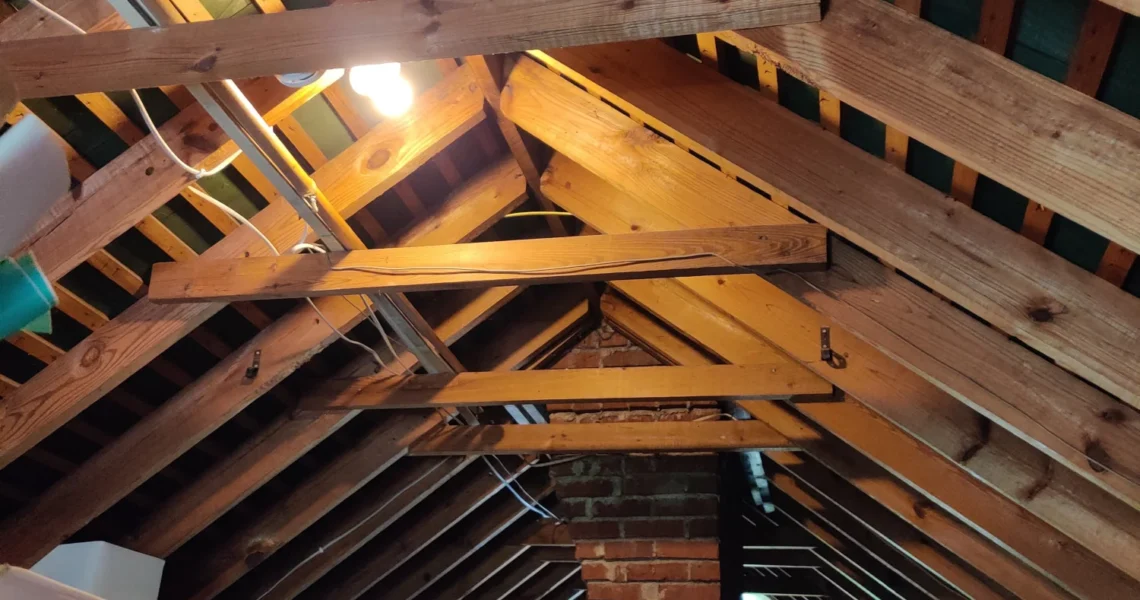
What Is Attic Ventilation and How Does It Work?
Attic ventilation is the passive or powered movement of outside air through the attic space. A balanced system combines:
- Intake vents – usually soffit or eave vents that allow cool, dry air to enter
- Exhaust vents – ridge vents, gable vents, or roof vents that let warm, moist air escape
This continuous airflow regulates attic temperature and, crucially, removes excess moisture year-round.
Why Toronto Homes Need Excellent Attic Ventilation
Toronto experiences hot, humid summers and long, cold winters with heavy snowfall. These extremes create the perfect conditions for two major problems if ventilation is inadequate:
1. Attic Mold & Mildew Growth
High summer humidity + poor airflow = condensation on cold surfaces. Mold can begin growing in as little as 24–48 hours when relative humidity stays above 60%.
2. Ice Dam Formation
Warm air rising into an unventilated attic melts snow on the roof. Water refreezes at the colder eaves, forming ice dams that can force water under shingles and into the home.
3. Premature Roof Deterioration
Temperatures in poorly ventilated attics can exceed 60°C (140°F) in summer, literally “cooking” asphalt shingles from underneath and shortening their lifespan by years.
Ontario Building Code Ventilation Requirements (2025)
According to the Ontario Building Code (OBC) Section 9.19, most homes require a minimum net ventilating area of 1:150 — that is, 1 square foot of unobstructed ventilation for every 150 square feet of attic floor area.
Key rules:
- At least 50% of the required ventilation must be intake (soffit/eave)
- At least 50% must be exhaust located near the ridge
- Ventilation can be increased to 1:300 if a vapour barrier is present and proper baffles are installed
Many pre-1990 Toronto homes (especially semi-detached and century homes) were built with far less ventilation and frequently do not meet current code when re-roofed.
Common Signs Your Attic Ventilation Is Inadequate
- Visible mold or black staining on roof sheathing or rafters
- Musty odors noticeable on the top floor
- Large icicles or ice dams along the roof edge in winter
- Condensation or frost on the underside of the roof deck
- Curling, buckling, or prematurely aging shingles
- Unexplained spikes in heating or cooling costs
- Peeling exterior paint or rot at the eaves
How to Calculate the Ventilation Your Attic Actually Needs
Example: A 1,500 sq ft bungalow with a simple gable roof has roughly 750 sq ft of attic floor area (excluding garages, etc.).
- Minimum required net free area = 750 ÷ 150 = 5 sq ft total
- That means at least 2.5 sq ft of intake and 2.5 sq ft of exhaust
A continuous ridge vent (e.g., Cobra Ridge Vent) typically provides ~18 inches of net free area per 10 linear feet. Proper perforated soffit venting provides similar intake.
Want to see real Toronto attic ventilation projects in action?
→ Check out The Roof Whisperer’s detailed attic ventilation guide with before-and-after photos
Typical Costs of Attic Ventilation Improvements in Toronto (2025)
For reference, here are average price ranges homeowners in the GTA are seeing in late 2025:
| Improvement | Average Cost Range (materials + labour) |
|---|---|
| Professional attic ventilation inspection | $150 – $350 |
| Adding or unblocking soffit vents | $1,200 – $3,000 |
| Installing continuous ridge vent (per linear foot) | $35 – $65 |
| Installing rafter baffles (per 1,000 sq ft) | $1,200 – $2,000 |
| Full intake + exhaust upgrade | $2,800 – $7,500+ |
| Solar-powered attic fan | $1,400 – $2,800 |
Frequently Asked Questions
Can I have too much attic ventilation?
Yes, excessive ventilation (especially unbalanced intake/exhaust) can cause negative pressure that pulls conditioned air out of the home, increasing energy bills. Always aim for balance.
Do cathedral ceilings need special ventilation?
Yes — they require a minimum 2-inch air channel between insulation and roof decking, usually created with baffles or ventilated roofing panels.
Will adding insulation alone solve ice dams?
No. Insulation keeps heat in the living space; ventilation keeps heat out of the attic. Both are required for effective ice dam prevention.
Are powered attic fans recommended in Toronto?
In most cases, passive ventilation (soffit + ridge) is preferred and more reliable. Powered fans are sometimes useful in complex roof designs or hot-spot situations but can create negative pressure if not installed correctly.
Final Thoughts
Good attic ventilation is one of the highest-ROI home improvements you can make in Toronto. It extends the life of your roof, prevents costly mold remediation and ice dam repairs, and improves overall energy efficiency and indoor air quality.
If you’re unsure about the state of your attic ventilation, a professional inspection during the fall or spring is the best way to identify issues before winter or summer extremes arrive.