
Why Indoor Air Quality Testing Matters for Toronto Homes, Schools, Hospitals & Businesses
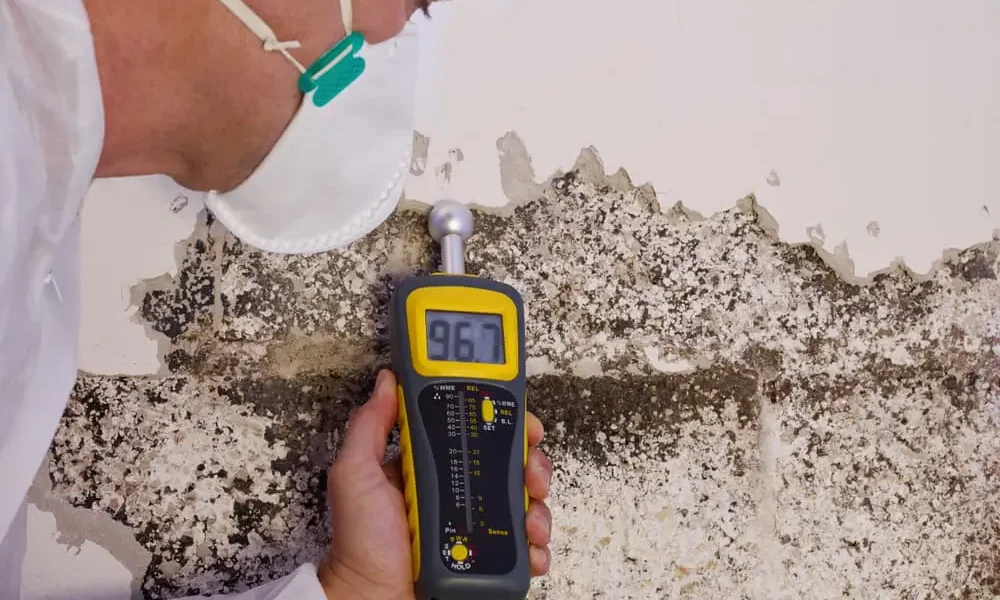
Discover why professional indoor air quality (IAQ) testing — especially for mold spores and hidden contaminants — is essential in Toronto and the GTA. Learn how it protects your family’s health, prevents costly damage, and creates safer indoor environments.
Are you breathing clean air in your Toronto home or workplace?
In a city with high humidity, older homes, and lake-effect weather, poor indoor air quality is more common than you think. Indoor air quality testing in Toronto detects invisible threats like mold spores, VOCs, and allergens before they cause serious health issues or structural damage.
Jump To
- What Is Indoor Air Quality (IAQ)?
- Why Is Indoor Air Testing Important in Toronto?
- Key Places That Need Regular IAQ Testing
- How Professional Indoor Air Quality Testing Works
- Common Indoor Air Pollutants in Toronto Homes
- Steps to Improve Indoor Air Quality After Testing
- Frequently Asked Questions
- 📞 Need Professional Mold & Air Quality Testing in Toronto or the GTA?
What Is Indoor Air Quality (IAQ)?
Indoor Air Quality (IAQ) measures the air inside buildings and its impact on occupant health and comfort. In Toronto and the GTA, common pollutants include:
- Mold spores (especially in basements and attics)
- Volatile Organic Compounds (VOCs) from paints and furniture
- Carbon monoxide and carbon dioxide
- Dust, pet dander, and allergens
- Formaldehyde and off-gassing materials
- Fine particulate matter (PM2.5 & PM10)
- Radon (in some Ontario regions)
Poor IAQ triggers short-term symptoms like headaches and irritation, and long-term issues including asthma exacerbation, respiratory disease, and even neurological effects.
Why Is Indoor Air Testing Important in Toronto?
Professional indoor air quality testing in Toronto identifies hidden mold, elevated spore counts, VOCs, and moisture problems early. This allows targeted remediation, preventing health risks and expensive repairs. At Mold Assist, our IICRC-certified inspectors use lab-analyzed air sampling to give you accurate, actionable results — not guesses from DIY kits.
According to Health Canada, indoor mould growth is a potential health hazard, and controlling moisture is key to prevention.
Key Places That Need Regular IAQ Testing
🏠 1. Homes & Condos (Toronto & GTA)
You spend 90% of your time indoors. Leaky basements, poor ventilation in older homes, and high-rise humidity create perfect conditions for mold. Regular testing reveals hidden issues affecting sleep, allergies, and family health.
✅ Pro Tip: Schedule annual testing, especially after floods, renovations, or if you notice musty odors.
🏥 2. Hospitals & Medical Facilities
Clean air is critical for infection control.
🧒 3. Schools & Daycares
Children are more susceptible to pollutants.
🛒 4. Grocery Stores & Food Businesses
Mold and bacteria in the air can spoil inventory.
⛪ 5. Offices, Churches & Community Spaces
Stagnant air leads to dust and mold buildup.
How Professional Indoor Air Quality Testing Works
At Mold Assist, our Toronto mold and IAQ inspections include:
- Air sampling for mold spores & allergens (sent to accredited labs)
- Surface swabs/tape lifts for visible or suspected mold
- Moisture, humidity & temperature mapping
- Carbon monoxide/CO₂ monitoring
- VOC and particulate analysis
- Thermal imaging to find hidden leaks
DIY kits can’t match the accuracy of professional equipment. See our full inspection and testing process →
Common Indoor Air Pollutants in Toronto Homes
| Pollutant | Common Sources | Health Risks |
|---|---|---|
| Mold Spores | Damp basements, bathrooms, attics, leaks | Allergies, asthma, respiratory illness |
| VOCs | Paints, cleaners, new furniture | Headaches, dizziness, organ damage |
| Carbon Monoxide (CO) | Gas appliances, fireplaces | Poisoning, fatigue, death (high levels) |
| Particulate Matter | Dust, smoke, construction | Lung/heart issues |
| Radon | Soil gas seepage | Lung cancer (2nd leading cause) |
Learn more about air quality testing costs and what’s included →
Steps to Improve Indoor Air Quality After Testing
Once we identify issues, Mold Assist recommends and performs:
- Professional mold removal & remediation
- HEPA air purifiers and ventilation upgrades
- Leak repairs and dehumidification
- Duct cleaning and carpet replacement
- Low-VOC materials for renovations
- Natural solutions like houseplants (snake plants, peace lilies)
We finish every job with post-remediation clearance testing and a certificate.
For official guidance: Health Canada – Addressing Moisture and Mould Indoors
Frequently Asked Questions
1. What’s the biggest benefit of indoor air quality testing in Toronto?
It uncovers hidden mold and pollutants, allowing fast fixes that protect health and prevent thousands in damage.
2. How often should I test indoor air in my Toronto home?
Every 1–2 years, or immediately after water damage or renovations.
3. Is professional IAQ and mold testing worth the cost?
Absolutely — early detection saves money and gives peace of mind. View pricing →
4. Can poor indoor air affect mental health?
Yes — brain fog, fatigue, anxiety, and reduced productivity.
5. Fastest way to improve home air quality?
Professional testing + fix moisture + HEPA purifiers + keep humidity <50%.
Learn more at Health Canada Indoor Air Quality Guidelines.