
The Ultimate Mold Prevention Guide: Keep Your Home Safe and Healthy
Mold is a sneaky adversary that can creep into your home, causing health issues, structural damage, and costly repairs. From musty odors to unsightly patches on walls, mold is more than just a nuisance—it’s a problem that demands proactive prevention. Whether you’re a homeowner, renter, or property manager, this comprehensive guide will equip you with the knowledge and strategies to stop mold in its tracks. Backed by expert advice from government sources like the Centers for Disease Control and Prevention (CDC) and the Environmental Protection Agency (EPA), this blog covers the causes of mold, its risks, and practical steps to keep your living spaces mold-free. Let’s dive in and learn how to protect your home and health.
Understanding Mold: What It Is and Why It Matters
Mold is a type of fungus that thrives in warm, damp, and humid environments. It spreads through tiny spores that float through the air, landing on surfaces where they can grow into visible colonies under the right conditions. Mold can appear as black, green, white, or even pink patches, often looking fuzzy, slimy, or powdery. Common types include Aspergillus, Penicillium, and the infamous Stachybotrys chartarum (black mold).
While mold plays a natural role in breaking down organic matter outdoors, it’s a problem indoors. The CDC warns that mold exposure can trigger allergic reactions, asthma attacks, and respiratory issues, especially in children, the elderly, or those with compromised immune systems. Symptoms may include sneezing, coughing, itchy eyes, or skin irritation. In severe cases, prolonged exposure to toxic molds can lead to chronic health problems.
Beyond health risks, mold can damage drywall, wood, carpets, and other materials, leading to expensive repairs. The good news? Most mold issues are preventable with the right strategies. By addressing moisture, ventilation, and maintenance, you can keep your home safe. Below, we outline 10 essential steps to prevent mold, optimized for both your needs and local search visibility.
What Causes Mold to Grow?
Mold needs three key ingredients to thrive:
- Moisture: Water from leaks, high humidity, or flooding creates a perfect breeding ground.
- Organic Material: Mold feeds on wood, drywall, paper, fabric, or even dust.
- Warmth: Most molds flourish in temperatures between 77°F and 86°F (25°C to 30°C), though some can grow in cooler or warmer conditions.
Common moisture sources in homes include:
- Leaky pipes, roofs, or windows
- High indoor humidity (above 60%)
- Condensation on walls, windows, or pipes
- Poorly vented bathrooms or kitchens
- Water damage from floods or spills
By controlling these factors, you can significantly reduce mold risk. Let’s explore practical, actionable strategies to keep your home mold-free.
10 Practical Strategies for Mold Prevention
1. Control Indoor Humidity
High humidity is a primary driver of mold growth. The EPA recommends keeping indoor humidity between 30% and 50%. Here’s how to achieve this:
- Use a Dehumidifier: Invest in a dehumidifier for damp areas like basements, bathrooms, or laundry rooms. Brands like Frigidaire offer reliable models with built-in hygrometers to monitor humidity.
- Run Air Conditioning: Air conditioners reduce moisture in the air, especially in humid climates. Ensure your unit is well-maintained to prevent mold in ducts.
- Monitor Humidity Levels: Use a hygrometer to check humidity. If levels exceed 50%, take action to reduce moisture.
- Ventilate High-Moisture Areas: Run exhaust fans in bathrooms and kitchens during and after activities like showering or cooking. Ensure vents lead outside, not into attics or crawl spaces.
Local Tip: Search “dehumidifiers near me” to find retailers offering mold-prevention products in your area.
Pro Tip: In humid climates, place moisture-absorbing products like DampRid in closets or storage spaces to keep humidity in check.
2. Improve Ventilation
Good ventilation reduces moisture buildup and promotes air circulation, both critical for mold prevention. Here’s how to enhance airflow:
- Install Exhaust Fans: Use fans in bathrooms, kitchens, and laundry rooms. Run them for 20–30 minutes after high-moisture activities.
- Open Windows: When weather permits, open windows to allow fresh air to circulate, especially in poorly ventilated areas.
- Vent Attics and Crawl Spaces: Install soffit or ridge vents to prevent moisture buildup in these spaces.
- Keep Vents Clear: Ensure furniture or curtains don’t block HVAC vents, which can trap moisture.
Local Tip: Search “HVAC services [your city]” to find professionals who can improve ventilation and prevent mold.
Pro Tip: Consider a heat recovery ventilator (HRV) for energy-efficient airflow in tightly sealed homes. Check Energy Star for certified options.
3. Fix Leaks Promptly
Water leaks are a major cause of mold growth. Even small leaks can create damp conditions that mold loves. Here’s how to stay on top of leaks:
- Inspect Plumbing: Check under sinks, around toilets, and near appliances like dishwashers for signs of leaks. Look for water stains or dripping.
- Repair Roof Leaks: Inspect your roof annually for damaged shingles or flashing. Hire a professional for repairs.
- Seal Windows and Doors: Use weatherstripping and caulk to prevent water intrusion during rain.
- Address Foundation Issues: Cracks in your foundation can allow water into basements or crawl spaces. Consult a professional for repairs.
Local Tip: Search “plumbing services near me” or “roof repair [your city]” to find trusted local experts.
Pro Tip: Dry affected areas within 24–48 hours using fans or dehumidifiers. For severe leaks, contact a water damage restoration service like SERVPRO.
4. Maintain Proper Insulation
Poor insulation can lead to condensation, especially in colder climates where warm indoor air meets cold surfaces. To prevent condensation-related mold:
- Insulate Walls and Pipes: Proper insulation prevents cold surfaces that attract condensation.
- Use Double- or Triple-Pane Windows: These windows reduce condensation by keeping indoor surfaces warmer.
- Check Attic Insulation: Ensure attics are well-insulated to prevent heat loss and moisture buildup.
Local Tip: Search “insulation contractors [your city]” to find local professionals for insulation upgrades.
Pro Tip: Wipe down condensation on windows or walls immediately and address the underlying cause, such as high humidity or poor insulation.
5. Clean and Dry Wet Areas Quickly
Mold can start growing within 24–48 hours of water exposure, so quick action is essential:
- Dry Spills and Floods: Use towels, mops, or a wet/dry vacuum to remove water. For large floods, contact a professional restoration service like us.
- Wash Wet Items: Launder wet clothing, towels, or rugs immediately or dry them thoroughly.
- Remove Wet Carpets: If carpets get wet, dry them within 24 hours or consider replacement, as mold can grow deep within fibers.
Local Tip: Search “water damage restoration near me” to find local experts for flood cleanup.
Pro Tip: Clean affected surfaces with a vinegar-water solution (1:10 ratio), a natural mold inhibitor recommended by the EPA.
6. Maintain Your HVAC System
Your heating, ventilation, and air conditioning (HVAC) system plays a key role in controlling moisture and preventing mold:
- Change Filters Regularly: Replace HVAC filters every 1–3 months to ensure proper airflow and reduce dust buildup.
- Clean Drip Pans: Check and clean air conditioner drip pans to prevent standing water.
- Schedule Professional Maintenance: Have your HVAC system inspected annually by a certified technician.
Local Tip: Search “HVAC maintenance [your city]” to find local professionals for system checks.
Pro Tip: Install a UV light system in your HVAC unit to kill mold spores, a solution endorsed by ASHRAE.
7. Store Items Properly
Improper storage can create mold-friendly environments, especially in basements, attics, or garages:
- Use Airtight Containers: Store clothing, books, or other organic materials in sealed plastic bins, not cardboard.
- Elevate Items: Use shelves or pallets to keep items off damp floors.
- Avoid Overcrowding: Allow air circulation around stored items to reduce moisture.
Local Tip: Search “storage solutions near me” to find mold-resistant storage products locally.
Pro Tip: Add silica gel packets to containers for extra moisture absorption.
8. Landscape Wisely
Outdoor landscaping can affect indoor moisture levels:
- Ensure Proper Drainage: Slope the ground away from your foundation and clean gutters regularly to prevent water pooling.
- Trim Vegetation: Keep plants away from exterior walls to improve airflow.
- Avoid Overwatering: Direct sprinklers away from your home’s foundation.
Local Tip: Search “landscaping services [your city]” to find experts for drainage solutions.
Pro Tip: Install a French drain if your property is prone to water pooling, as advised by FEMA.
9. Use Mold-Resistant Products
When building or renovating, choose materials designed to resist mold:
- Mold-Resistant Drywall: Use green or purple board in high-moisture areas like bathrooms or basements.
- Mold-Inhibiting Paint: Apply paints with mold inhibitors in kitchens or laundry rooms.
- Waterproof Flooring: Opt for tile, vinyl, or sealed concrete instead of carpet in damp areas.
Local Tip: Search “mold-resistant building materials near me” to find local suppliers.
Pro Tip: Choose products certified by GREENGUARD for mold resistance and low emissions.
10. Conduct Regular Inspections
Routine checks can catch mold issues before they escalate:
- Look for Mold Signs: Inspect walls, ceilings, and hidden areas like under sinks for discoloration or musty odors.
- Check for Water Damage: Look for stains, warped wood, or peeling paint.
- Test for Mold: If you suspect hidden mold, hire a professional for air quality testing via IAQA.
Local Tip: Search “mold inspection [your city]” to find local professionals for thorough assessments.
Pro Tip: Keep a maintenance log to track inspections and address issues promptly.
Protecting High-Risk Areas
Certain areas of the home are more prone to mold due to moisture exposure. Here’s how to safeguard them:
Bathrooms
- Run exhaust fans during and after showers.
- Squeegee shower walls to remove water.
- Wash bath mats regularly.
- Use mildew-resistant shower curtains.
Kitchens
- Clean spills and grease promptly to remove organic material.
- Check under sinks for leaks.
- Use range hoods to vent steam.
Basements and Crawl Spaces
- Use a dehumidifier to maintain low humidity.
- Seal cracks in walls or floors.
- Insulate pipes to prevent condensation.
Attics
- Ensure proper ventilation with vents.
- Check for roof leaks.
- Avoid storing organic materials like cardboard.
Health Risks of Mold and When to Seek Help
Mold exposure can cause a range of health issues, including:
- Allergic reactions (sneezing, itchy eyes, runny nose)
- Asthma flare-ups
- Skin rashes
- Chronic fatigue or headaches (in severe cases)
The CDC advises consulting a healthcare provider if symptoms persist. For extensive mold growth (over 10 square feet), visible water damage, or strong musty odors, contact a professional remediation service certified by the IICRC. Search “mold remediation near me” to find local experts.
Mold Prevention for Renters
Renters can take proactive steps despite limited control over their space:
- Report Leaks Promptly: Notify your landlord about water issues in writing and document with photos.
- Use Portable Dehumidifiers: Control humidity in your rental with portable units.
- Keep Areas Clean: Regularly clean bathrooms and kitchens to prevent mold-friendly conditions.
- Document Issues: Keep records of mold or water damage for landlord discussions.
Local Tip: Search “renter-friendly mold prevention products” to find solutions available locally.
Debunking Mold Prevention Myths
Let’s clear up common misconceptions about mold:
- Myth: Bleach kills all mold. Fact: Bleach works on non-porous surfaces but not porous materials like drywall. Address moisture first, per EPA guidelines.
- Myth: Mold only grows in dirty homes. Fact: Mold can grow anywhere with moisture and organic material.
- Myth: Small mold patches are harmless. Fact: Even small amounts can cause health issues or spread if untreated.
Tips for Mold Prevention Businesses
If you’re a local business offering mold prevention or remediation services, optimize your Google My Business profile to attract customers:
- Complete Your Profile: Include your business name, address, phone number, and services like “mold inspection” or “water damage restoration.”
- Use Keywords: Incorporate terms like “mold prevention [your city]” in your description and posts.
- Encourage Reviews: Ask satisfied customers to leave reviews to boost local rankings.
- Add Photos: Showcase your work with images of successful projects.
- Post Updates: Share mold prevention tips or seasonal promotions to engage local customers.
These strategies help your business appear in searches like “mold remediation near me,” driving traffic and leads.
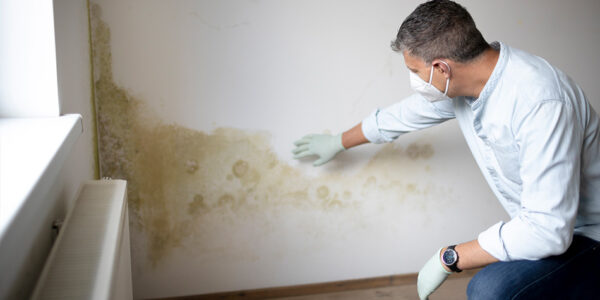
Conclusion: Take Control of Mold Prevention
Mold prevention is about staying proactive. By controlling humidity, improving ventilation, fixing leaks, and conducting regular inspections, you can protect your home and health. Use the strategies in this guide, backed by trusted sources like the CDC and EPA, to keep mold at bay. For local support, search “mold prevention services [your city]” to find experts or products near you.
Start today—your home and well-being deserve a mold-free environment!